TYPES OF WILD CATS
 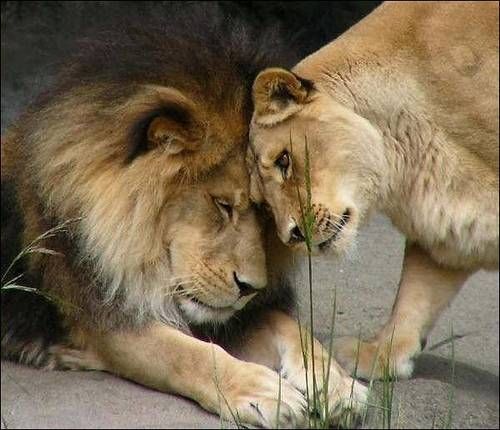 | THE LION IS THE SECOND BIGGEST BREED OF BIG CATS IN THE WORLD. THEY'RE LOCATED IN SUB-SAHARAN AFRICA AND ASIA. LIONS, IN THE WILD, LIVE FOR ABOUT 10-14 YEARS, BUT IN CAPTIVITY THEY LIVE FOR MORE THAN 20 YEARS. CLICK HERE TO SEE MORE LIONS.THE RARE WHITE LION, FOUNDED IN SOUTH AFRICA, IS JUST LIKE A REGULAR LION. SOME ARE PURELY WHITE, BUT THEY'RE MAINLY A LIGHT CREAM COLOR. THEY ARE BRED IN ZOOS, AND ARE NOT ABLE TO SURVIVE IN THE WILD. CLICK HERE TO SEE MORE WHITE LIONS.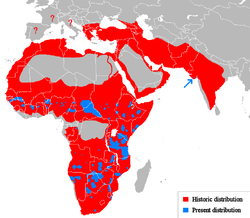 |
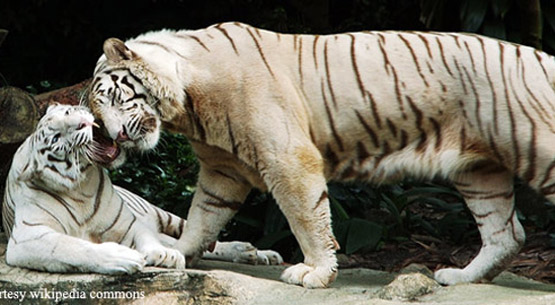 | The WHITE TIGER IS A RARER TYPE OF TIGER THAT LIVES IN ZOOS AND THE WILD. JUST LIKE A NORMAL TIGER, WHITE TIGERS CAN BE DIFFERENT BREEDS AS WELL. THE WHITE FUR IS DUE TO THE LACK OF PHEOMELANIN PIGMENT, WHICH IS FOUND IN BENGAL TIGERS WITH ORANGE COLOR FUR. THE GENETIC TRAIT ONLY HAPPENS 1 IN 10,000 BIRTHS. CURRENTLY, SEVERAL HUNDRED WHITE TIGERS ARE IN CAPTIVITY WORLDWIDE, WITH ABOUT ONE HUNDRED BEING FOUND IN INDIA. CLICK HERE TO SEE MORE WHITE TIGERS. |
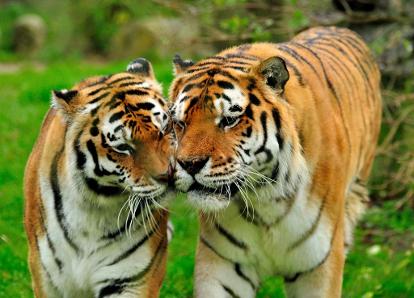 | The tiger is the largest species of big cat in the world. They live in captivity, such as zoos, or in the wild, in places like Asia and Russia. They are territorial cats, and don't travel or live with a pride. Click here to see more tigers |
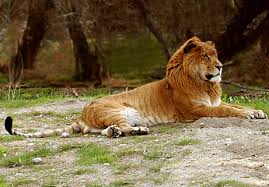 | THE LIGER IS A CROSS BETWEEN A MALE LION AND A FEMALE TIGER. A TIGON IS A MIX BETWEEN A FEMALE LION AND A MALE TIGER. THESE ARE A VERY RARE BREED OF CAT, AND ARE ONLY BRED IN CAPTIVITY. CLICK HERE TO SEE MORE LIGERS |
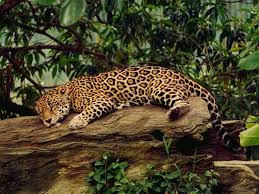 | THE JAGUAR IS THE ONLY BIG CAT FOUND IN THE AMERICAS. THEY ARE THE THIRD LARGEST BIG CAT IN THE WORLD. LIKE THE TIGER, THESE CATS DON'T LIKE TO BE IN PRIDES ARE ARE TERRITORIAL. Click here TO SEE MORE JAGUARS |
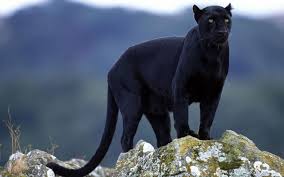
| THE BLACK PANTHER, IN AFRICA AND ASIA, IS KNOWN AS A LEOPARD. IN THE AMERICAS, IT'S KNOWN AS A LEOPARD. THEY ARE ALL BLACK, BUT HAVE OTHER BLACK SPOTS ON THEM THAT ARE BARELY VISIBLE. Click here TO SEE MORE BLACK PANTHERS.
|
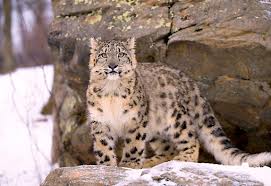 | Native to Central and South Asia, the Snow Leopard was estimated at 4,080-6,590 adults, of which fewer than 2,500 individuals may reproduce in the wild. They have long thick fur, and a relatively short body. They can be a yellow-tan or a smokey-grey. They generally have pale green or grey eyes. Click here to see more Snow leopards. |
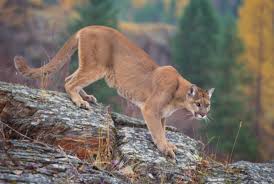
| The cougar, also known as a puma, panther, painter, mountain cat or catamount, is a large felidae native to the Americas. Ranging from Canadian Yukon to the southern Andes of South America. The cougar is closely related to the smaller felidae, or house cats, but it is also a subspecies of the Lion. Click here to see more cougars. |
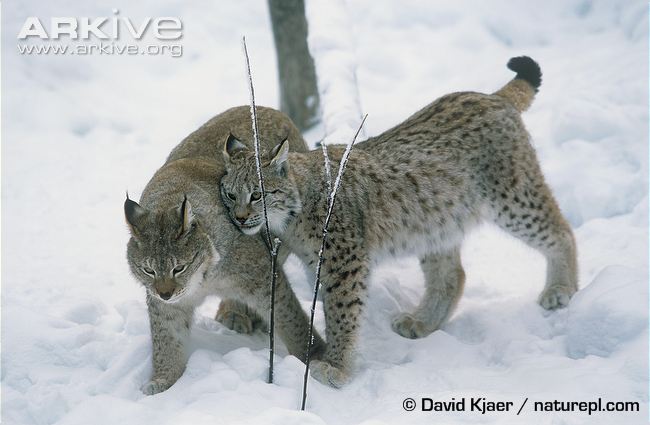 | The Lynx is a medium-sized wild cat. Neither the caracal, sometimes called the Persian lynx or African lynx, nor the jungle cat, called the swamp lynx, is a member of the Lynx genus. They're similar to the Bobcat in appearance, only slightly different. Click here to see more Lynxes.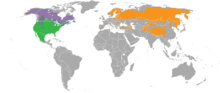 |
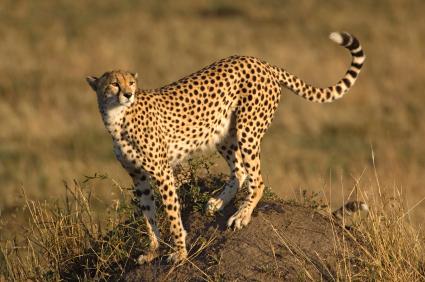 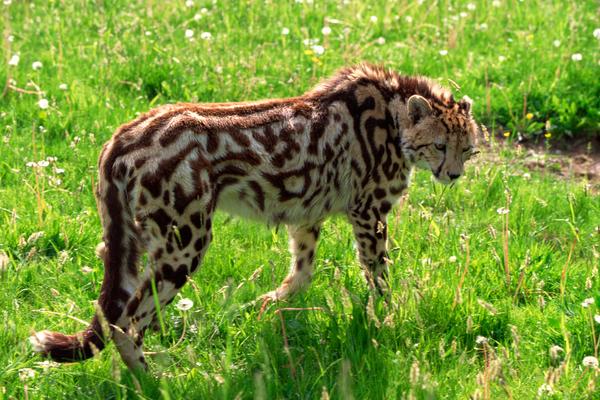 | The king cheetah is a rare mutation of the cheetah characterized by a distinct fur pattern. there are isolated populations of the King Cheetah in Africa or Southwestern Asia. Click here to see more Cheetahs
The Cheetah is a larger wold cat that inhabits most of Africa and parts of Iran. The Cheetah can run faster than any animal with speeds up to 75 mph. The special thing about the cheetah is, they have semi-retractable claws, which let them bring out their claws when needed and putting them back when they don't want them. Click here to see more King Cheetahs.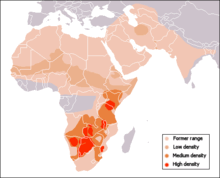 |
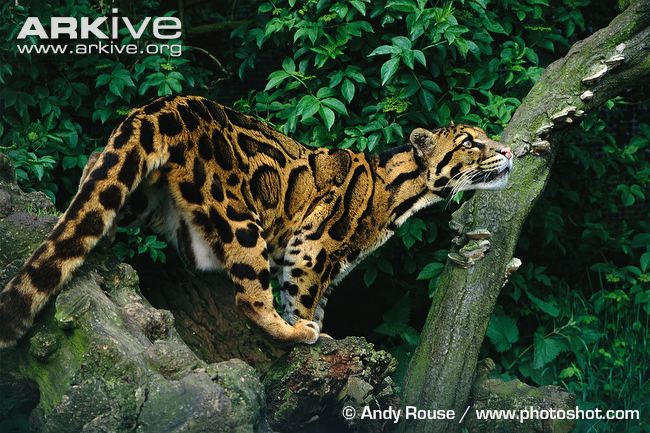 | The clouded Leopard is a medium-sized wild cat found from the Himalayan foothills through mainland Southeast Asia into China. They're starting to go extinct, as there are only about 10,000 mature individuals, and no more than 1,000 adults. Click here to see more Clouded Leopards. |
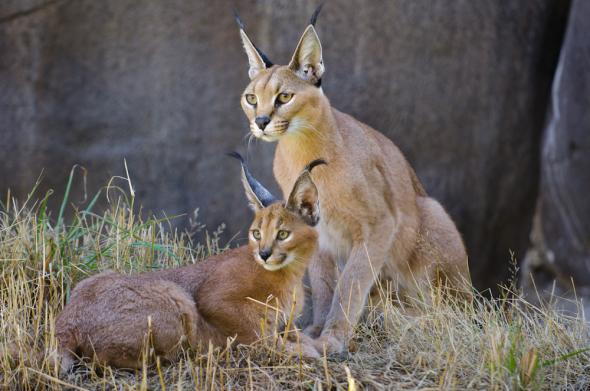 | THE CARACAL, ALSO KNOWN AS THE DESERT LYNX, IS A WILD CAT WIDELY DISTRIBUTED ACROSS AFRICA,CENTRAL ASIA, AND SOUTH ASIA INTO INDIA. THEIR BREED IS THREATENED IN NORTH AMERICA, AND RARE IN CENTRAL ASIA. Click here TO SEE MORE CARACALS. |
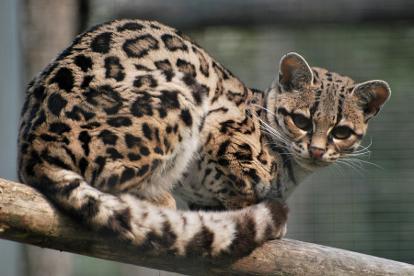 | The Margay is similar to the ocelot in appearance, except for the smaller head and bigger eyes. The Margay is found in Southern mexico, Central America and in Northern South America. Margays are nocturnal and they eat small mammals. Click here to see more Margays.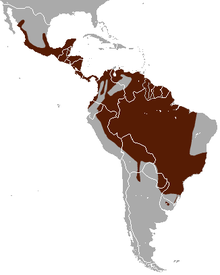 |
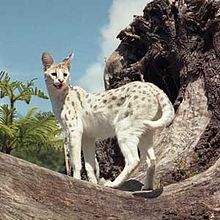
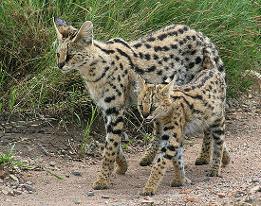
| The Serval is a medium-sized African wild cat that's closely related to the Caracal and African Golden Cat. Rarely, you can find a white Serval. White servals have never been documented in the wild and only five have been documented in captivity. Click here to see more white servals, and click here to see more regular servals. |
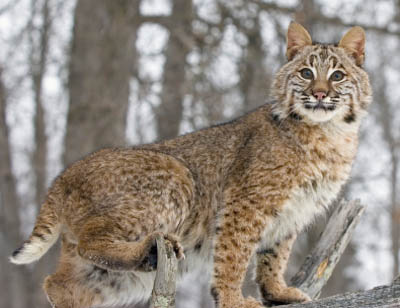 | The Bobcat, native to North America, ranges from southern Canada to northern Mexico, including most of the continental United States. The bobcat lives in woodland areas, and is a medium-sized cat. It has distinctive black bars on its forelegs and a black-tipped, stubby tail, from which it derives its name. Click here to see more Bobcats. |
 | Native to Central and South America, the Jaguarundi is a small wild cat with an elongated body and long tail. Their coats can be a blackish to brownish-grey (grey phase) or foxy red to chestnut (red phase). Click here to see more Jaguarundies.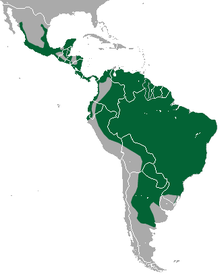 |
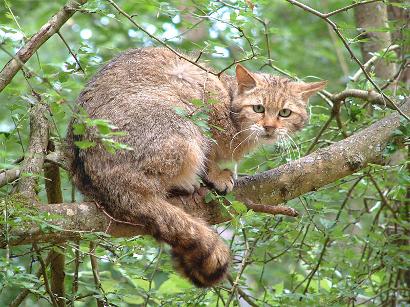 | IN APPEARANCE, THE EUROPEAN WILDCAT IS MUCH BULKIER THAN THE AFRICAN WILDCAT AND THE DOMESTIC CAT, ALTHOUGH ITS WEIGHT IS SIMILAR TO THE AVERAGE HOUSE CAT. THE WILDCAT'S THICK FUR, SIZE, AND NON-TAPERED TAIL ARE ITS DISTINGUISHING TRAITS; IT NORMALLY WOULD NOT BE MISTAKEN FOR THE DOMESTIC CAT. WILDCATS WERE COMMON IN THE EUROPEAN PLEISTOCENE ERA; WHEN THE ICE VANISHED, THEY BECAME ADAPTED TO A LIFE IN DENSE FORESTS. THEY ALSO LIVE IN GRASSLANDS. IN MOST EUROPEAN COUNTRIES, THEY HAVE BECOME VERY RARE. ALTHOUGH LEGALLY PROTECTED, THEY ARE STILL SHOT BY PEOPLE MISTAKING THEM FOR FERAL DOMESTIC CATS. Click here to see more European Wild cats. |
Translate This Page
